
What can I say when my child stops believing in the Tooth Fairy?
Words for a child who questions the Tooth Fairy: listen, explain the family story and agree which parts of the ritual to keep.
Sathian Srikrishnan, dad and founder · Updated
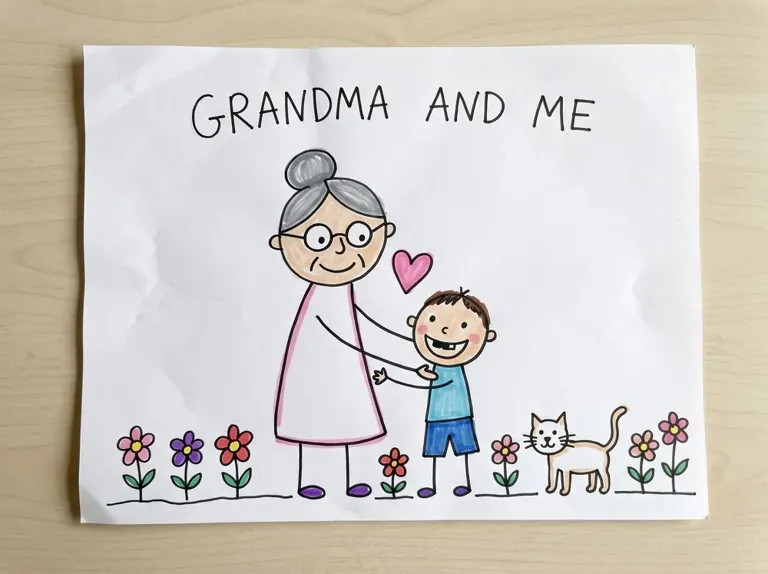
Ask what they think, listen to the answer and speak in a way that fits your family. You can be honest and still keep the warmth of the ritual. The picture, note and care behind it do not have to disappear when the story changes.
Start here
You can take this one question at a time. There is no set speech that every child needs to hear.
Find out what they are asking
A child may ask because a friend said something, because they noticed your handwriting or because the story no longer makes sense to them.
Try: “What made you wonder?” Then give them time to speak. You do not have to answer a question about every family tradition at once.
They may already feel sure. They may also want to tell you that they enjoyed the game. Let their answer guide how much you say next.
Explain the care behind the story
If it fits your home, you might say: “The Tooth Fairy is a story our family used to make a growing-up moment special. The notes and gifts came from people who love you.”
Use your own words. Avoid making the child feel silly for having believed, or telling them they should have known sooner.
If they feel upset that you kept the story going, hear that too. You can say, “I can see why you feel that way. We wanted to make the moment warm, and you can ask us questions.”
Pick a quiet time to talk
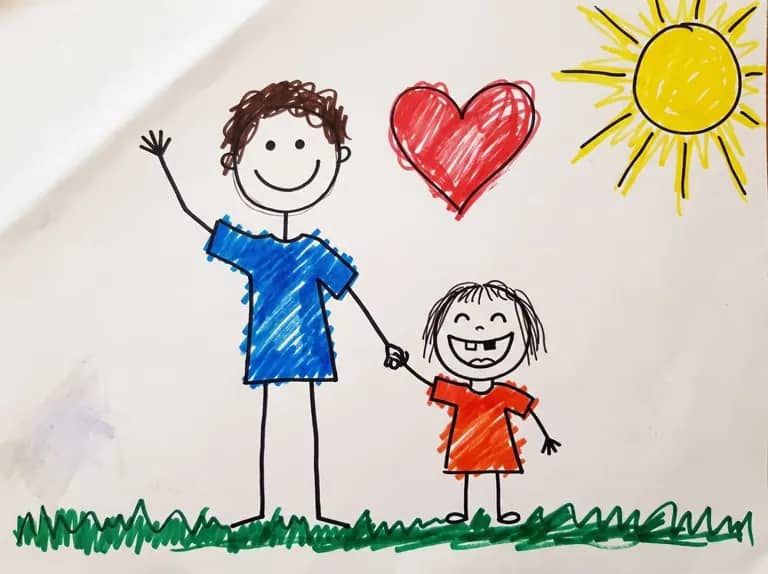
The American Academy of Pediatrics' communication guide advises listening, honesty and respect for a child's feelings. It also suggests choosing a time when you can both talk without a rush. That is broad family advice, rather than a study of fairy beliefs.
You do not have to solve the whole talk at the school door. Try: "I want to hear what you think. Can we sit together after we get home?" Then make time for that talk.

Let the ritual change
Ask which parts they still like. Perhaps they want a plain note, the same family gift or a drawing of their changing smile.
You could start a new version: “We still want to mark these days. What should our family do now?”
There is no need to buy a larger gift to replace the magic. A little choice in how the family marks the day may be enough.
Think about other children kindly
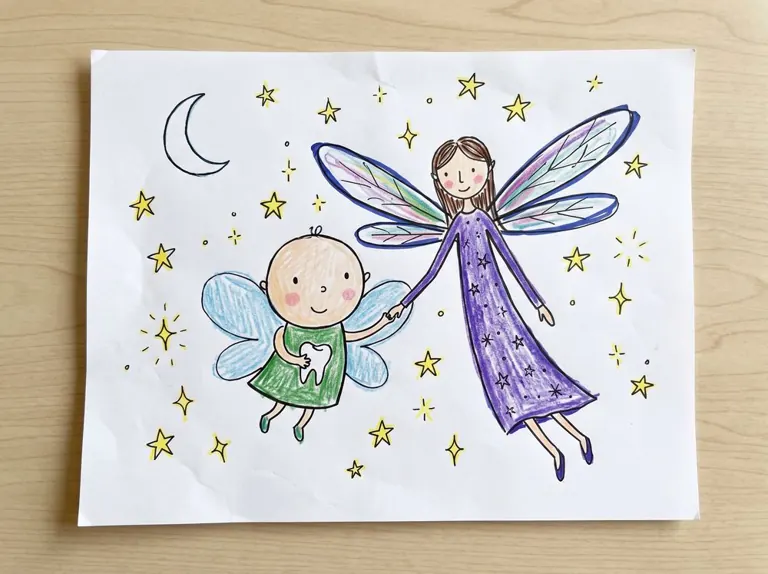
Families tell stories in different ways. You can help your child understand that a younger sibling or friend may still enjoy the fairy story.
That does not mean asking them to lie for you. You can give them a simple way to step out of a debate: “Different families talk about it in different ways. You can ask your grown-up.”
Make room for your child's own questions at home. Being kind to others does not mean they must hide their feelings from you.
Keep memories with their agreement
Look at an old note or drawing if they want to. They may laugh, feel proud or not want to look right now. Let them choose.
You can keep an original in a family folder without posting it. Ask before sharing a story that could embarrass them now.
The lasting part can be the relationship: someone noticed a small milestone and made time for it. That can still matter after the child knows who wrote the note.
Common questions
Is there a right age for this talk?
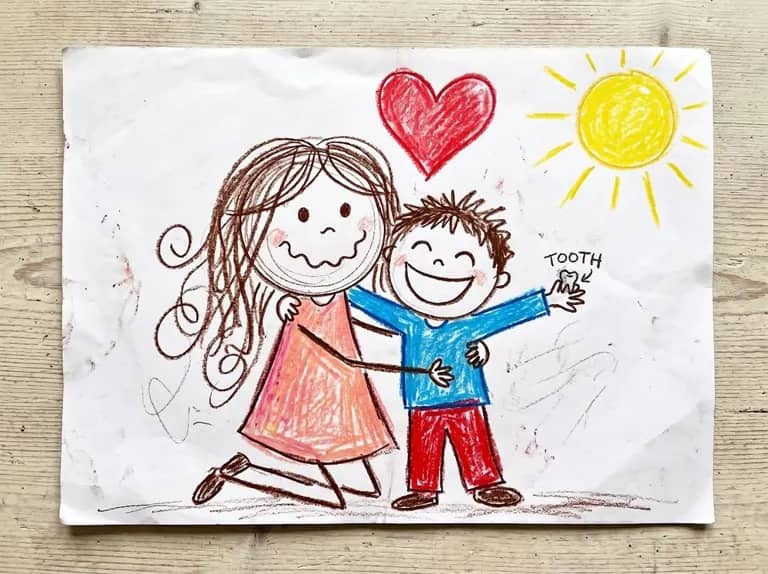
Children ask at different times. Start with the question your child has asked. This guide does not set an age when belief should end.
What if they still want the gift?
You can agree to keep a family ritual after the story changes. Say what you can keep doing, rather than making a bigger promise in the moment.
Should I tell them about every other family story too?
You can stay with this question. If they ask about another story, hear that question in its own right.