
What can I give a grandchild who has enough toys?
Give a grandchild who has enough toys time together, help toward a goal, or a personal keepsake. Includes a parent message and gift-note templates.
Sathian Srikrishnan, dad and founder · Updated

Give something that fits their life now: time together, help toward a goal, or a keepsake with a personal note. Ask their parent which would be welcome. If you give money, add something the child can open or read so they can feel the person behind the gift.
Start here
You do not have to find a bigger present. Start with one detail about your grandchild: what they like doing, what they are learning, or what you last enjoyed together. That gives you a better starting point than another shelf of gift ideas.
A quick chooser: four gifts for different needs
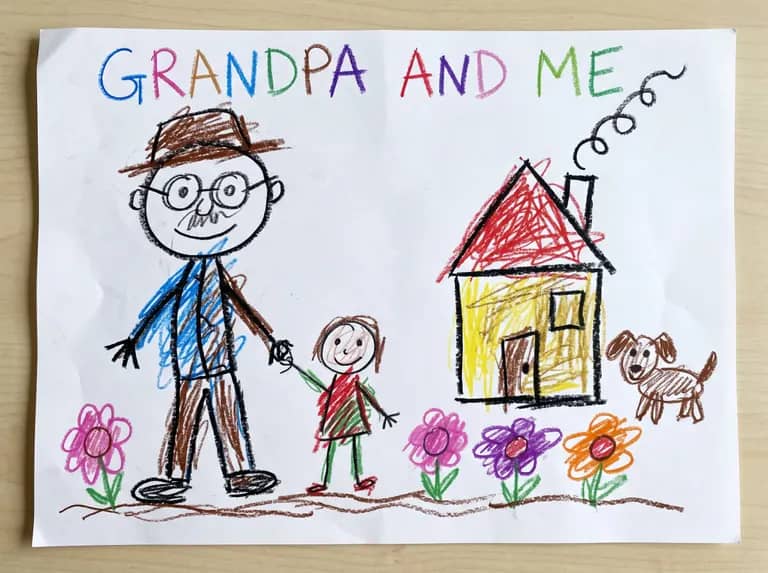
Time together
- Best for
- a child who wants more time with you.
- What they get
- a plan to look forward to, written in a card.
- Try
- baking their chosen cake, a library visit or a drawing afternoon.
- Parent check
- agree on the date and who will arrange it. A plan using what you already have can fit a small budget. Promise something you can keep.
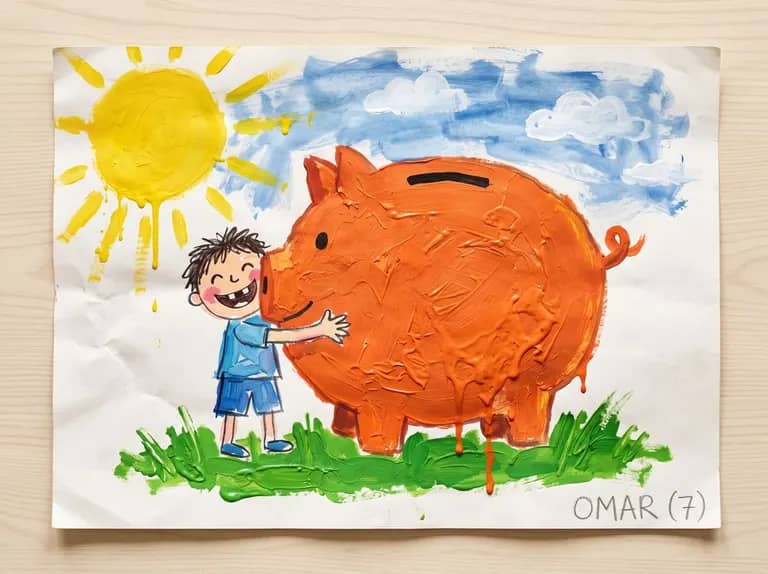
Help toward a goal
- Best for
- a child who can name something they want.
- What they get
- a contribution and a note about their goal.
- Try
- art supplies or a bike.
- Parent check
- ask whether that is still their goal and where the money should go. Agree whether your gift is for that purpose or free for the child to choose.
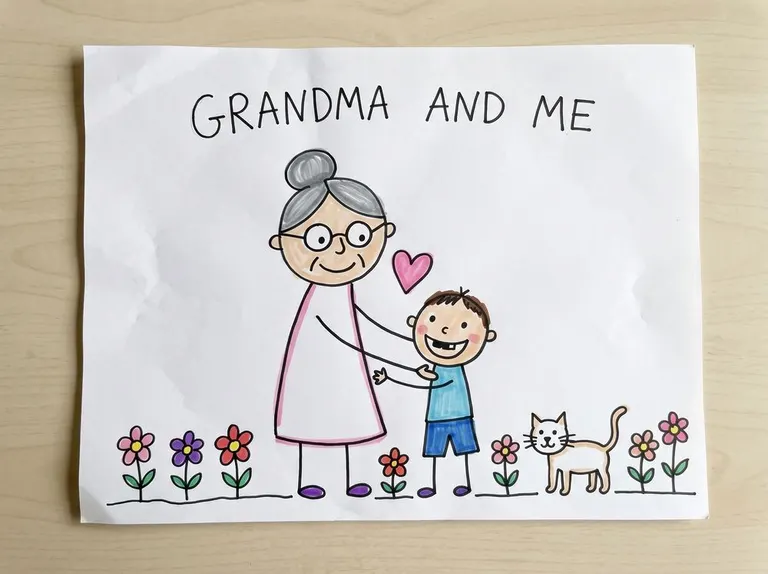
A picture and a personal note
- Best for
- a child who loves making things, or a giver who wants a keepsake.
- What they get
- their work in a frame, small album or printed keepsake, with your words beside it.
- Try
- a drawing from your last visit.
- Parent check
- choose a picture the child wants to share. Keep their own marks and spelling unchanged.
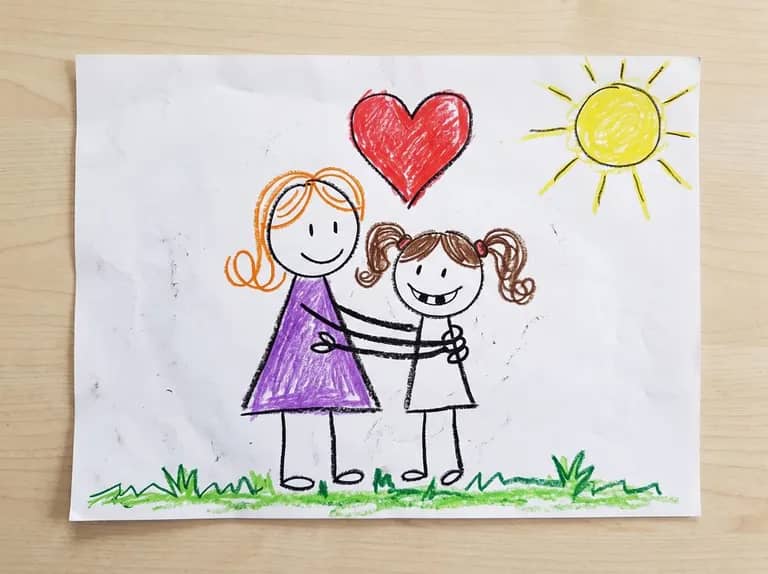
A letter for later
- Best for
- a baby or toddler who cannot yet understand the gift.
- What they get
- a dated letter about this year, kept by their parent.
- Try
- a memory of the first time you met and something you hope to do together.
- Parent check
- ask where the family wants to keep it and how they prefer to receive any money you add.
Ask one question before you shop
Send their parent a message like this:
“I'd love to mark this birthday without adding another toy. Would time together, help toward something they want, or a keepsake be most useful? I would like them to have a little note from me too.”
This gives the parent three easy choices. They can tell you if the child has a new interest, the family has little room, or the birthday is already full of plans.
Ask before booking an activity. A ticket can be a lovely gift, but it may also need travel, an adult's time or a date the family cannot make. Offer a plan they can say yes to without taking on extra work.
Make a money gift feel like it came from you
Cash and transfers can be welcome gifts. The personal part is the reason you chose this moment and the words you send with it.
Use this short note pattern:
“I noticed ___. I wanted to mark ___ with a little gift. I look forward to ___ with you. Love, ___.”
For example: “I loved hearing you explain the rocket you drew. I wanted to mark your birthday with a little gift toward your next idea. I look forward to seeing what you make. Love, Grandad.”
Change the details to things you have really seen or heard. You do not need a perfect message, a poem or a lesson about money. One real detail is enough to make it yours.
If you send money to the parent, send the child's note as well. Otherwise, the practical part can arrive while the part you meant for the child gets lost.
If you live far away
Choose a gift that works without you being there to explain it. A card with a photo from a shared visit, a drawing or a short message can give your next call a starting point.
Ask whether opening it together on a call would fit the day. If the family is busy, record a short voice note they can play later. The child does not need to perform a thank-you call on a schedule to make your gift worthwhile.
Here is a made-up example. A seven-year-old enjoys drawing, and their grandparents live in another city. The parent says there are already plenty of toys. The grandparents give toward art supplies and include a card about a picture the child showed them. On their next call, they ask what the child has been making. The gift has become part of a conversation they can keep having.
When a printed Proof might fit
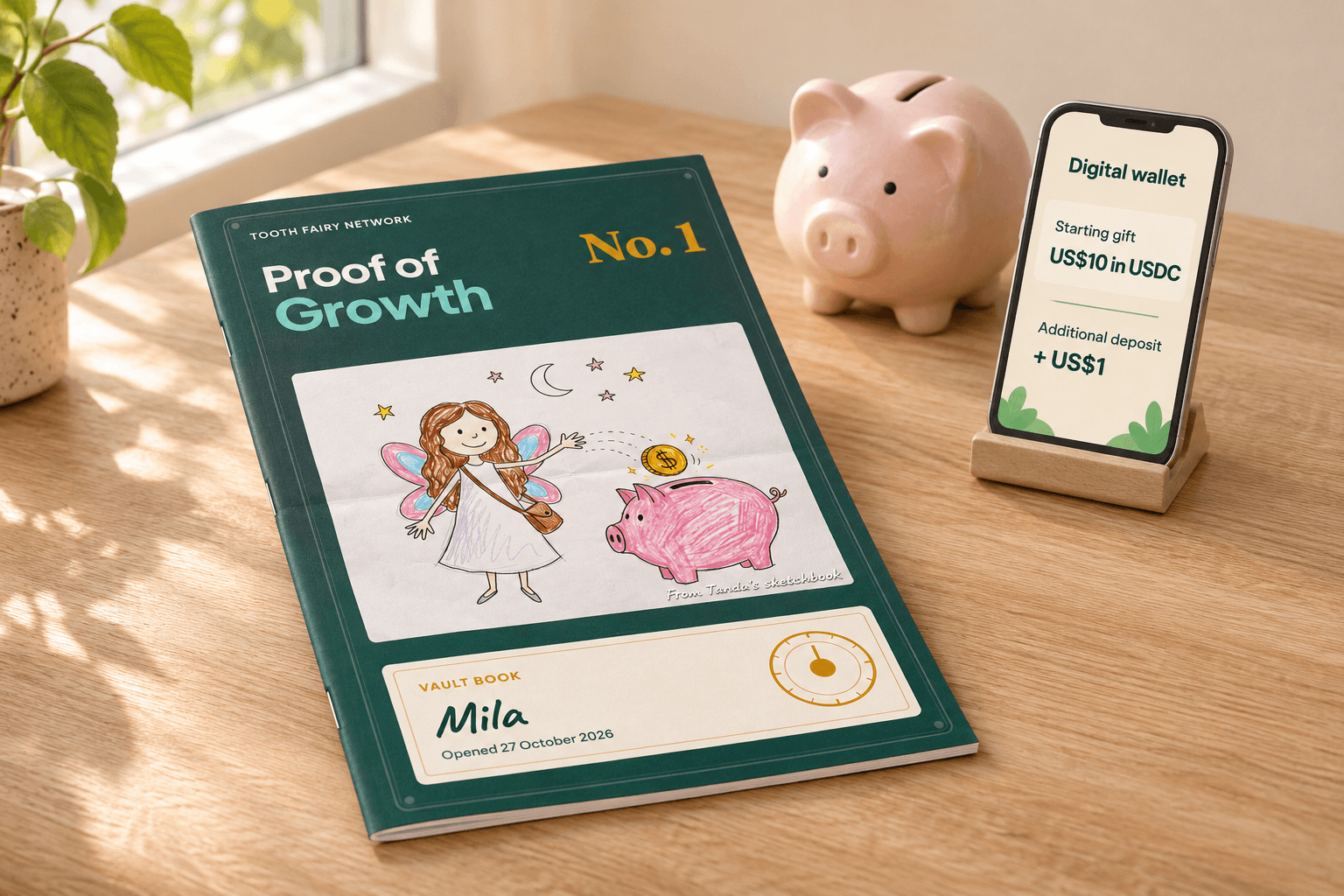
A printed Proof is one option when you want a keepsake and a digital gift together. Tooth Fairy Savings offers a printed Proof of Growth with a picture and your message, plus US$10 for a parent-controlled digital wallet. The current listed price is US$59 once, with tax and shipping included for US and Canadian delivery.
It may suit a giver who wants the child to have something personal to open while their parent looks after the digital gift. It does not replace checking what the family wants. If they prefer cash, an activity or their own savings arrangement, you can still use the note ideas above.
A quick plan before you send
Choose the purpose. Check it with the parent. Add one real detail to your note. Confirm how the gift will arrive. Then think of one thing you can ask your grandchild about next time.
The present does not have to do everything. It can simply give the two of you another reason to connect.
Common questions
How much should I spend?
Choose an amount you can give comfortably. You do not need to match another relative. Time together and a thoughtful note do not need a large budget.
What if the child still asks for a toy?
Listen to the wish and talk with their parent. Having enough toys does not mean the child has no real interests. You might choose one wanted item, help toward it, or plan time using something they already enjoy.
Can I give money without saying what it must buy?
Yes. Make your intention clear to the parent: money to enjoy now, help toward a goal, or something to keep. Avoid attaching a promise the child did not agree to.
Where can I find more money gift ideas?
See money gift ideas for kids, including ways to match the opening to the child's age and occasion.