
How can I ask relatives for fewer toys without hurting feelings?
Ask family for fewer toys with warm messages, clear gift choices and a plan that leaves room for every budget.
Sathian Srikrishnan, dad and founder · Updated
Thank relatives for thinking of your child, explain what would help, and offer two or three clear alternatives. Send the message before the next gift occasion, while there is still time to choose.
Start here
A request is easier to follow when the giver knows how they can still make the child happy. Give them a role, a choice and any details they need.
Say what you are trying to make room for
You might want less to store, fewer duplicate toys or more time with people the child loves. Use the reason that is true in your home. Keep it about your family's needs rather than a judgment on past gifts.
“We're trying to keep the toy space small this year. They have plenty to play with, and we'd love to make more room for days with family.”
That explains the choice without asking someone to agree that every toy was a mistake.
Offer choices with different budgets
Suggest time together, help toward a named goal or a letter the child can keep. If you offer an outing, say who will arrange it. If you offer supplies, give an exact need the child has now.
“For this birthday, a drawing afternoon with you, a note for their memory folder, or a little gift toward the bike goal would all be lovely. Please choose what feels right for you.”
These are sample options. A relative should be able to choose something small without feeling that they have failed to give enough.
Be specific about a small gift
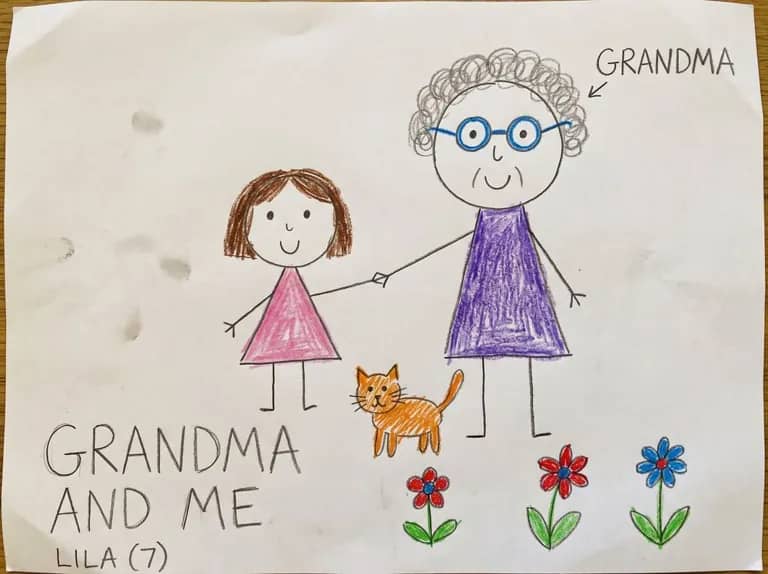
The American Academy of Pediatrics' toy guide notes that good art supplies need not cost much. Paper and crayons are among its simple gift ideas. You can turn that into a clear request: "Their blue crayon is worn out, and they would love a fresh pad for drawing with you."
Check what the child has first. An exact need gives the giver a choice without adding another large item to store. It also leaves room for the fun of picking and wrapping a gift.
Match the message to the relationship
For a grandparent who loves shopping:
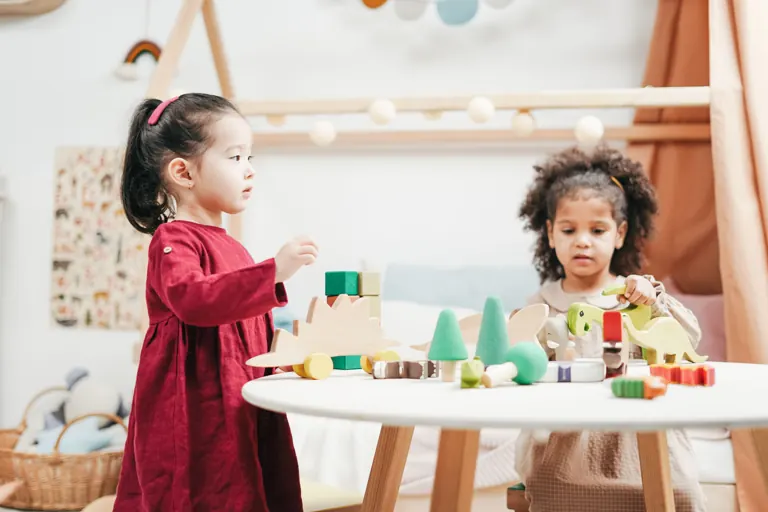
“We know how much you enjoy choosing for them. This year, could you help them pick one thing they need for drawing? They would love choosing it with you.”
For family far away:
“We'd love a note or a short call for their birthday. If you'd like to give money too, we can send the way we use for gifts. Your message is the part we'd like them to keep.”
For a group chat:
“A small birthday note from us: we're keeping toys simple this year. Time together, a message to keep or a little toward their current goal would be very welcome. No need for a big gift.”
Use the version that sounds like you. Sending it early gives relatives time to change a plan without feeling put on the spot.
Make money gifts clear
Say who holds the money and what goal it supports. If you use a link, explain what the giver will see and what happens next. Keep the invitation optional and easy to understand.
For a family that wants a keepsake with the gift, Tooth Fairy Savings pairs a printed Proof with a digital gift that has parent acceptance steps. Share the actual offer rather than describing it as a free transfer. Let relatives see what they are choosing.
If someone gives another toy anyway
Thank them for thinking of the child. You can repeat the family plan privately later, away from the moment of opening.
“Thank you for remembering them. For the next occasion, could we stick with the time-together or goal idea? That would help us keep the space manageable.”
You may need to say the same thing more than once. A clear request is a starting point, not a promise that every relative will change at once.
Common questions
Is it rude to suggest money?
You can offer it as one choice, alongside time or a note. Explain the purpose and leave room for the giver's budget.
What if a relative thinks an experience is not a real present?
Give the plan in a card with a date or a next step. That makes it something the child can open and look forward to.
Should I send a long explanation?
Keep the first message short. Offer more detail if someone asks. Two clear options usually give them more help than a long account of the toy cupboard.
How can we keep the relationship warm?
Share what the child enjoyed doing with them. Help the giver see the place they have in the child's life beyond what they bring.